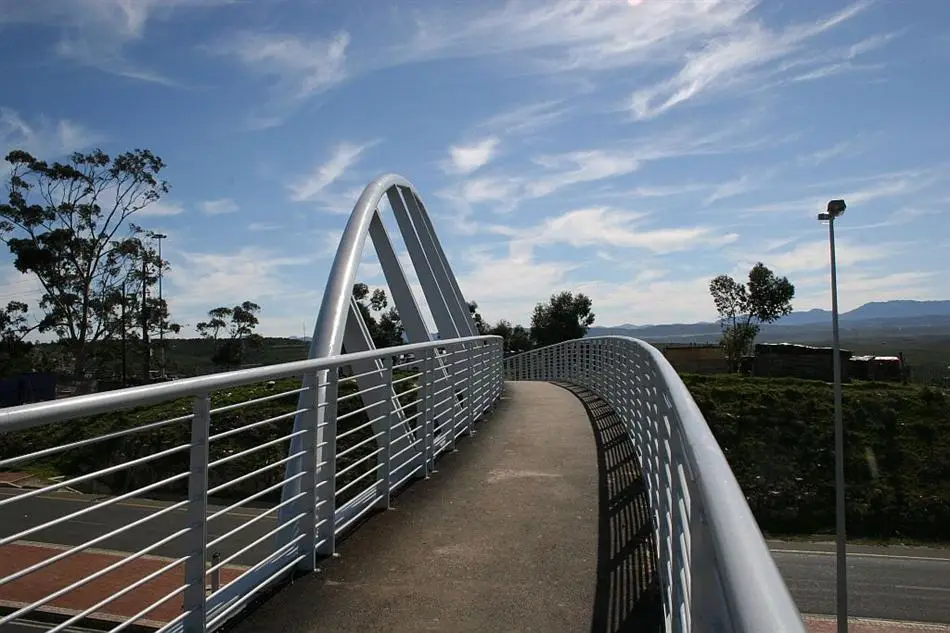
A varying range of road users with different speeds and characteristics create a risk on Africa’s roads. On a continent where resources are scarce, combining road users reduces the capital and maintenance requirements. In most African cities, road infrastructure is often only provided for motorised transport. Non-motorised transport users use the road or road reserve to move from origin to destination. In a just transport system, these shortcomings are addressed by providing infrastructure for non-motorised transport (NMT). The NMT facility guidelines, produced in South Africa and applied throughout the continent, use a speed differential of 20 km/h as a rule of thumb for combining/separating modes (Vanderschuren et al., 2014). Given the lack of a secondary road network, it is paramount that available mobility corridors cater for all road users, providing separation where possible. Road designers need to assess the needs on links and intersections in this regard.

Stakeholders


Costs


Ease of Implementation